
"8 Days Exploring the Heart of Central Asia: Uzbekistan’s Ancient Cities and Rich Heritage"
"Discover the Heart of Central Asia: Explore the Timeless Wonders of Uzbekistan!"
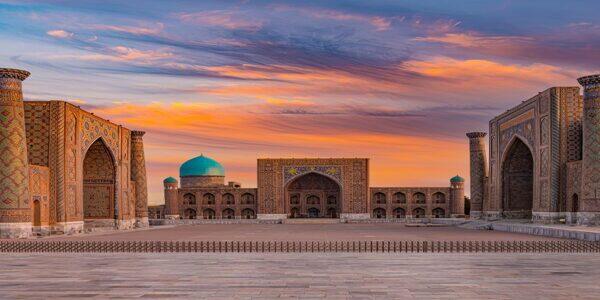
Uzbekistan is a stunning Central Asian country rich in history, culture, and architectural heritage. Known for its ancient Silk Road cities, Uzbekistan offers a blend of historical sites, vibrant markets, and traditional cuisine. Here’s a brief overview: Major Cities to Visit: Tashkent: The capital city, known for its blend of modernity and history. Key attractions include the Khast Imam Complex, Chorsu Bazaar, and the State Museum of History. Samarkand: A UNESCO World Heritage site and one of the most famous Silk Road cities. Don't miss the Registan Square, Shah-i-Zinda, and the Bibi-Khanym Mosque. Bukhara: Another UNESCO World Heritage city filled with ancient monuments like the Ark Fortress, Bolo Haouz Mosque, and the historic trading domes. Khiva: A well-preserved ancient city surrounded by city walls, famous for its stunning architecture, including the Ichan Kala fortress. Culture and Heritage: Uzbekistan boasts a rich blend of Islamic, Persian, Russian, and Soviet influences. Visitors can enjoy colorful bazaars, traditional music and dance, and ancient mosques and madrasahs. Cuisine: Uzbek food is hearty and flavorful. Try dishes like plov (rice pilaf with meat and vegetables), shashlik (grilled skewers), and somsa (savory pastry). Don't forget to enjoy fresh bread and green tea. Experiences: In addition to historical sites, visitors can explore beautiful landscapes, including the deserts, mountains, and the Aral Sea region. The traditional hammams (baths) are also a popular cultural experience. Travel Tips: Best time to visit: Spring (April to June) and autumn (September to November) for pleasant weather. Language: Uzbek is the official language, but Russian is widely spoken. Currency: The currency is the Uzbek som (UZS). Uzbekistan offers a unique travel experience, combining stunning architecture, rich culture, and warm hospitality. It’s perfect for history enthusiasts, adventure travelers, and those seeking to experience the heart of Central Asia!.
Uzbekistan is a captivating destination in Central Asia, known for its rich history, stunning architecture, and vibrant culture. It’s home to ancient Silk Road cities like Samarkand, Bukhara, and Khiva, offering visitors a glimpse into a past filled with grandeur. Key attractions include the beautiful Registan Square in Samarkand, the historic Ark Fortress in Bukhara, and the preserved city of Khiva. Uzbekistan’s rich cultural heritage blends Islamic, Persian, and Soviet influences, creating a unique and welcoming atmosphere. Visitors can enjoy delicious traditional cuisine, explore bustling bazaars, and experience the warmth of Uzbek hospitality. Best visited in spring or autumn, Uzbekistan is an unforgettable journey for history lovers, culture seekers, and adventure travelers alike.
Uzbekistan, located in the heart of Central Asia, is a land of fascinating history, rich culture, and stunning architecture. As a key stop on the ancient Silk Road, it boasts a deep historical and cultural heritage that attracts travelers from around the world. From ancient cities to vibrant bazaars, Uzbekistan offers an unforgettable experience. Here’s a detailed description of what a tour to Uzbekistan entails:
1. Major Cities and Attractions
Tashkent (Capital City):
- Tashkent is the capital and largest city of Uzbekistan. It combines modernity with a rich history, offering a glimpse into the country's diverse past. Key sites include:
- Khast Imam Complex: This historic complex is home to one of the world's oldest copies of the Quran.
- Chorsu Bazaar: A traditional market where visitors can experience local culture and shop for spices, handicrafts, and fresh produce.
- State Museum of History: Showcases Uzbekistan's cultural evolution, including exhibits from its ancient cities and various empires.
- Amir Timur Square: A tribute to the great warrior, Timurlane, featuring statues and a beautiful garden.
Samarkand:
- Samarkand is one of the oldest continuously inhabited cities in Central Asia and a UNESCO World Heritage site. It was once a key stop on the Silk Road and remains a stunning example of Islamic architecture. Must-see sights include:
- Registan Square: The heart of Samarkand, surrounded by magnificent madrassas (Islamic schools) with intricate mosaics and minarets.
- Shah-i-Zinda: A sacred necropolis with beautifully tiled mausoleums, one of which is the tomb of the prophet Daniel.
- Bibi-Khanym Mosque: A grand mosque built by Timur (Tamerlane) in the 14th century.
- Gur-e-Amir Mausoleum: The final resting place of Timur, the conqueror who made Samarkand the center of his empire.
Bukhara:
- Bukhara is another UNESCO World Heritage city, famous for its well-preserved medieval architecture and rich Islamic culture. Visitors will be enchanted by its ancient charm, and key sites include:
- Ark Fortress: A massive citadel that once served as the residence of Bukhara's rulers.
- Bolo Haouz Mosque: Known for its impressive wooden columns and beautiful blue-tiled dome.
- Trading Domes: These ancient domed structures once served as markets for various goods along the Silk Road.
- Samanid Mausoleum: An architectural gem from the 9th century, representing the early Islamic period of Bukhara.
Khiva:
- Khiva is a well-preserved city surrounded by ancient walls, often referred to as an open-air museum. The highlight of Khiva is its stunning architecture, which includes:
- Ichan Kala: The inner city, a UNESCO site that contains a labyrinth of historical buildings, including mosques, madrassas, and palaces.
- Kalta Minor Minaret: Known for its striking blue tiles, it stands as one of Khiva's most iconic landmarks.
- Juma Mosque: Famous for its wooden pillars and intricate carvings.
2. Culture and Heritage
Uzbekistan has a rich cultural heritage shaped by its Islamic, Persian, Russian, and Soviet influences. Visitors can explore:
- Traditional Markets (Bazaars): Uzbek bazaars are colorful, bustling places where you can shop for spices, textiles, and handicrafts. Popular items include suzani (embroidered textiles) and ceramics.
- Historic Mosques and Madrasahs: Uzbekistan is home to numerous mosques and madrasahs (Islamic schools), many of which feature intricate tile work and calligraphy.
- Music and Dance: Traditional Uzbek music is known for its unique melodies and rhythms, often accompanied by dance. Performances of maqom music or folk dances can be found at cultural events.
3. Cuisine
Uzbek cuisine is hearty, flavorful, and influenced by Central Asian and Middle Eastern traditions. Key dishes include:
- Plov (Pilaf): A rice dish cooked with meat (usually lamb), vegetables, and spices, considered the national dish.
- Shashlik: Grilled skewers of meat, typically served with vegetables and flatbread.
- Somsa: Savory pastries filled with meat, vegetables, or cheese.
- Manti: Steamed dumplings filled with meat and onions.
- Non (bread): Uzbekistan is known for its round, flat bread, which is often baked in a traditional clay oven.
- Chai (Tea): Green tea is commonly served, often with sweets or dried fruits.
4. Unique Experiences
- Traditional Hammams: Many cities in Uzbekistan have ancient bathhouses, or hammams, where visitors can enjoy a traditional steam bath, massages, and relaxation.
- Aral Sea: Although shrinking, the Aral Sea remains an important part of Uzbekistan's geography. The Aral Sea disaster is an environmental tragedy, but the area still offers a glimpse into the region’s history and wildlife.
- Desert and Mountains: Uzbekistan is home to both desert and mountain landscapes. The Kyzylkum Desert and the Tian Shan Mountains provide opportunities for adventure tourism, such as hiking and camel rides.
5. Travel Tips
- Best Time to Visit: The best times to visit Uzbekistan are during the spring (April to June) and autumn (September to November), as the weather is mild and pleasant.
- Language: Uzbek is the official language, but Russian is also widely spoken, especially in urban areas.
- Currency: The official currency is the Uzbek som (UZS), though major cities like Tashkent and Samarkand may accept U.S. dollars or credit cards in some establishments.
- Visa: Depending on your nationality, you may need a visa to enter Uzbekistan. It’s advisable to check the requirements before planning your trip.
Conclusion
Uzbekistan is a must-visit destination for history enthusiasts, cultural explorers, and adventure travelers alike. Its ancient cities, fascinating heritage, incredible cuisine, and warm hospitality provide a unique and enriching travel experience. Whether you’re exploring the architectural wonders of Samarkand and Bukhara or enjoying the bustling atmosphere of Tashkent's markets, Uzbekistan offers a journey through time, blending tradition with the modern world.
Itinerary
Day 1: Departure from Lahore: Arrival in Tashkent
Arrival: Arrive at Tashkent International Airport. Transfer: Private transfer to your hotel for check-in and rest. Evening: Stroll around Amir Timur Square and visit the nearby Independence Square for a relaxed evening.
Day 2: Tashkent Sightseeing
Morning: Visit the Khast Imam Complex (includes the Barak Khan Madrasa, Tillya Sheikh Mosque, and the famous Quran of Caliph Uthman). Explore the Chorsu Bazaar, an iconic market offering local produce, spices, and handicrafts. Afternoon: Visit Kukeldash Madrasah, a symbol of Islamic architecture in Tashkent. Enjoy a visit to the State Museum of History for a deep dive into the country's history and culture. Evening: Relax at Alisher Navoi Park
Day 3: Tashkent to Samarkand
Morning: Transfer to Samarkand by fast train (around 2 hours). Afternoon: Visit Registan Square, a historic ensemble of three majestic madrasahs. Explore the Shah-i-Zinda Complex, a stunning burial complex. Visit the Bibi-Khanym Mosque, one of the largest and most magnificent mosques of its time. Evening: Take a leisurely walk around Samarkand’s ancient bazaar
Day 4: Samarkand Sightseeing
Morning: Visit the Gur-e-Amir Mausoleum, the final resting place of Timur (Tamerlane). Explore Ulugh Beg Observatory, one of the most important astronomical observatories of the medieval world. Afternoon: Visit Afrasiab Museum and the Siyob Bazaar. Explore the ancient city remains of Afrosiab, the birthplace of Samarkand. Evening: Enjoy traditional Samarkand plov for dinner.
Day 5: Samarkand to Bukhara
Day 5: Samarkand to Bukhara Morning: Transfer to Bukhara by train (around 4 hours). Afternoon: Start your tour at the Ark Fortress, a massive fortified structure that served as the residence of the rulers of Bukhara. Visit the Bolo Haouz Mosque with its intricate wooden columns. Explore the historic trading domes, where merchants once sold their goods along the Silk Road. Evening: Relax at a local teahouse or enjoy Bukhara’s beautiful streets at night.
Day 6: Bukhara Sightseeing
Morning: Visit the Samanid Mausoleum, a stunning example of early Islamic architecture. Explore the Chor Minor, an architectural gem with four unique towers. Afternoon: Visit Kalyan Minaret and Mosque, a symbol of Bukhara’s grandeur. Wander around the historic madrasahs and mausoleums of the city. Evening: Explore Bukhara’s old city, and enjoy dinner at a traditional restaurant.
Day 7: Bukhara to Tashkent
Arrive in and stay at Hotel Free Day for shopping or relaxation.
Day 8: Departure Day
Depart from Tashkent to Lahore.
What's Included
- FlightInternational Air Ticket
- Accommodation07 - Nights Hotel Accommodation on B.B Basis
- Tour AssistanceProfessional English-Speaking Guide Service
- TransportationAll Transfer Services On Private Basis
- Visa AssistanceVisa Fee Included
- sightseeingTashkent – Samarkand – Bukhara
- Entry PassHast Imam Complex (Tashkent) Gori Emir Mausoleum (Samarkand) Ark Fortress (Bukhara) Chair lift at Chimgan Mountain
- Meal(Breakfast & Dinner) One liter of mineral water per person during city tours.
Not Included
- Anything not mentionedPersonal Expend
Here are some frequently asked questions (FAQs) about touring Uzbekistan: 3. What is the currency in Uzbekistan? Answer: The official currency of Uzbekistan is the Uzbek som (UZS). While larger cities like Tashkent and Samarkand may accept U.S. dollars or credit cards in some establishments, it's recommended to carry som for smaller purchases and in rural areas. 4. Is English widely spoken in Uzbekistan? Answer: English is not widely spoken in Uzbekistan, especially in rural areas. However, Russian is commonly understood, and many people working in the tourism sector can communicate in basic English. It’s a good idea to learn a few basic phrases in Uzbek or Russian for better communication. 5. What are the must-see places in Uzbekistan? Answer: Some of the must-see places in Uzbekistan include: Samarkand: Registan Square, Shah-i-Zinda, Bibi-Khanym Mosque Bukhara: Ark Fortress, Bolo Haouz Mosque, Samanid Mausoleum Khiva: Ichan Kala, Kalta Minor Minaret Tashkent: Khast Imam Complex, Chorsu Bazaar, Amir Timur Square 6. What should I wear when traveling to Uzbekistan? Answer: Uzbekistan is a conservative country, so it's recommended to dress modestly, especially when visiting religious sites like mosques and madrasahs. Women should wear clothing that covers the shoulders and knees, and men should avoid wearing shorts in formal settings. 7. What is the food like in Uzbekistan? Answer: Uzbek cuisine is hearty and flavorful, with dishes like plov (pilaf), shashlik (grilled meat skewers), somsa (savory pastries), and manti (dumplings). Uzbekistan is also known for its fresh bread, green tea, and variety of salads and appetizers. 8. Can I drink the tap water in Uzbekistan? Answer: It's generally recommended to avoid drinking tap water in Uzbekistan. Bottled water is readily available in most areas, and it’s safer to drink bottled or filtered water to avoid any potential stomach issues. 9. Are there any cultural norms I should be aware of? Answer: Greetings: A handshake is a common greeting, though people may bow their heads or place their hand over their heart as a sign of respect. Respect for elders: Elders are highly respected, and it's customary to stand when an elder enters the room. Hospitality: Uzbekistan is known for its hospitality, and guests are often offered tea, fruit, or snacks. It’s polite to accept, even if you’re not hungry. 10. How safe is Uzbekistan for tourists? Answer: Uzbekistan is generally considered a safe destination for tourists. However, like any destination, it's important to exercise common sense, avoid isolated areas at night, and keep an eye on your belongings in crowded places. The country has made significant strides in improving its infrastructure for tourism. 11. What should I bring on my trip to Uzbekistan? Answer: Key items to bring include: Comfortable walking shoes for exploring cities and historical sites. Modest clothing for visiting religious and cultural sites. A power adapter (Uzbekistan uses the European-style two-pronged plug). A camera to capture the stunning architecture and landscapes. 12. How can I get around Uzbekistan? Answer: Uzbekistan has a well-developed transportation network. You can get around by: Trains: Fast and efficient trains connect major cities like Tashkent, Samarkand, and Bukhara. Taxis: Taxis are common, and ride-hailing apps like Yandex Taxi are available in major cities. Buses: There are local buses, but they can be crowded and less reliable. Private Tours: Many travelers opt for private guided tours to make the most of their time and experience the country comfortably. 13. Is there Wi-Fi in Uzbekistan? Answer: Wi-Fi is available in most hotels, cafes, and public spaces in major cities, but it may not be as widespread in rural areas. It’s advisable to have a local SIM card or portable hotspot if you need reliable internet access throughout your trip. 14. Are there any health precautions I need to take? Answer: It's recommended to have basic travel vaccinations (e.g., tetanus, hepatitis A and B). Always carry any personal medications with you. Since tap water is not safe to drink, only drink bottled or filtered water to avoid any health issues.
Got a question about this tour?
Reach out to our travel experts.